May 22, 2026
Roof systems play a critical role in protecting homes and commercial buildings from weather, moisture, and structural deterioration. When issues arise, the work of roofers becomes essential in maintaining safety, efficiency, and long-term property value. Their responsibilities span far beyond simple repairs, covering inspection, material selection, installation planning, and ongoing maintenance strategies.
Modern roofing demands a blend of technical skill, problem-solving, and adaptability. Whether dealing with minor leaks or full structural replacements, professionals in this field are expected to diagnose issues accurately and apply solutions that last. This makes roofing one of the most detail-driven trades in the construction industry.
Understanding Roof Repairing
Roof repairs often begin with identifying the source of a problem before any physical work takes place. Common issues include leaks, missing shingles, moisture buildup, and damaged flashing around roof penetrations. Skilled roofers rely on experience and structured assessment methods to pinpoint the underlying cause rather than just treating surface symptoms. This approach helps ensure long-term durability rather than temporary fixes.
A key part of repair work is understanding how small issues escalate over time. For example, a minor leak can lead to insulation damage, mold growth, or structural weakening if left unresolved. Because of this, roofers often emphasize early intervention and routine awareness from property owners. Addressing problems early reduces repair costs and helps extend roof life.
In many cases, homeowners are not fully aware of subtle warning signs. Water stains on ceilings, peeling paint, or increased energy bills can all indicate roofing issues developing overhead. Experienced roofers often educate clients on these indicators so they can act before damage spreads. This preventative communication is a major part of maintaining safe and reliable roofing systems.
Inspecting Roof Systems
Inspection is one of the most important steps in any roofing process because it determines the scope of work required. Roofers typically begin with a visual assessment, checking for missing shingles, cracks, sagging areas, and compromised flashing. These early observations help guide more detailed evaluations and repair planning.
Technology has significantly improved inspection accuracy in recent years. Tools like drones and thermal imaging allow roofers to detect hidden moisture pockets or structural weaknesses that would otherwise go unnoticed. These tools also reduce the need for risky manual inspections in hard-to-reach areas, improving both safety and efficiency.
Routine inspections are generally recommended twice a year, often during seasonal transitions. Regular assessments help ensure that minor damage is identified before it becomes a major issue. Many roofers stress that consistent inspections are one of the most cost-effective ways to preserve roof performance over time, especially in regions with extreme weather patterns.
Using Roofing Materials
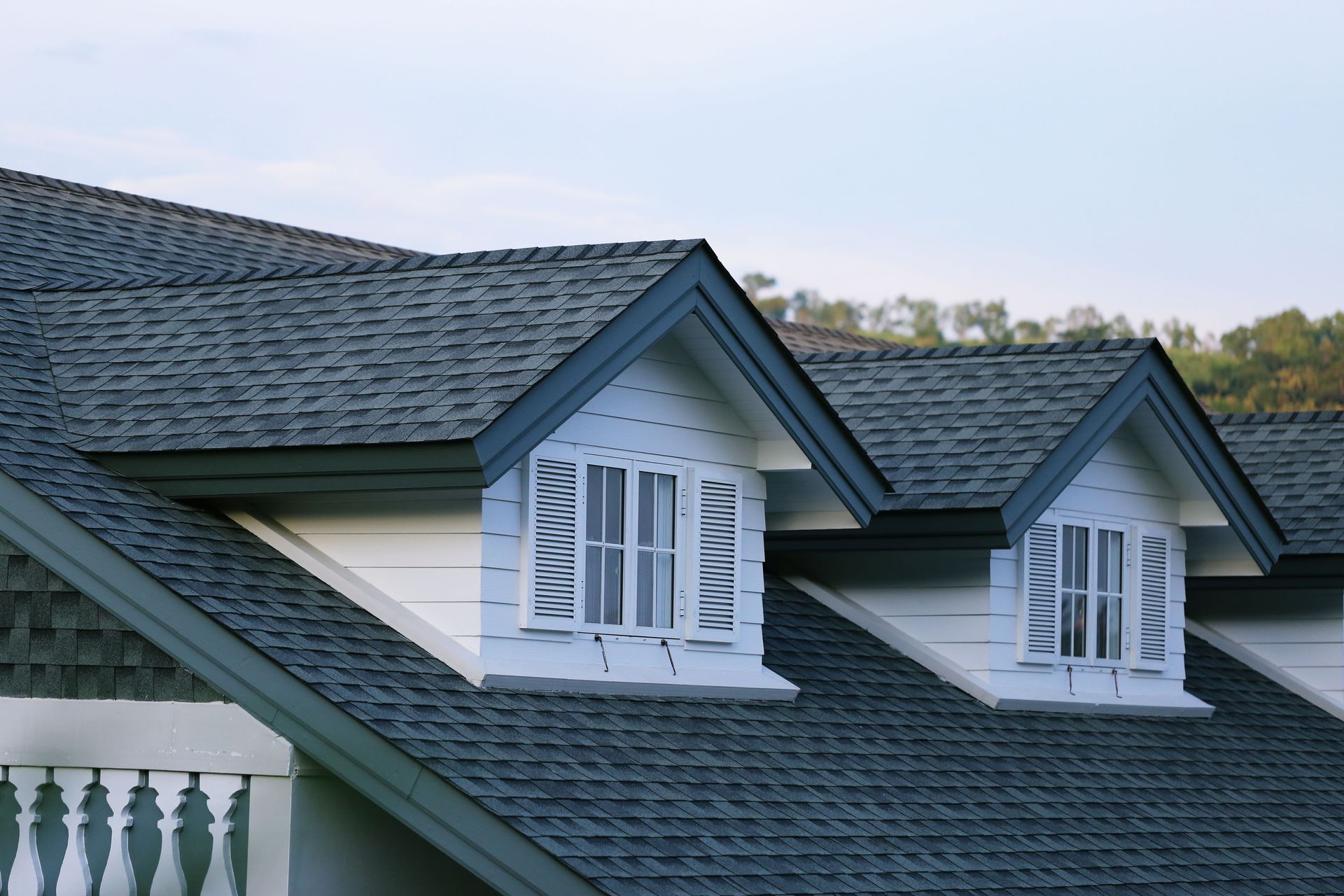
Material selection plays a major role in determining roof durability, appearance, and long-term performance. Asphalt shingles remain one of the most widely used options due to their affordability and versatility. Metal roofing is also popular for its strength, energy efficiency, and extended lifespan. Tile and slate materials offer premium aesthetics and long-term resilience in specific climates.
The choice of materials is rarely universal, as each property has different needs based on climate, structure, and budget. Roofers evaluate these factors carefully before recommending solutions. For instance, regions with heavy snowfall may benefit from metal roofing systems, while hotter climates may require materials designed for heat reflection.
Industry innovation continues to shape material options. Modern solutions such as solar-integrated shingles and reflective roofing systems are becoming more common. These advancements allow roofers to provide energy-efficient upgrades that align with sustainability goals. According to Web Fx, about 94% of roofing projects across North America are actually full roof replacements rather than smaller repair jobs, which highlights how often complete system overhauls are required. This trend reinforces the importance of selecting durable materials and planning for long-term performance rather than short-term fixes.
Managing Roof Installation
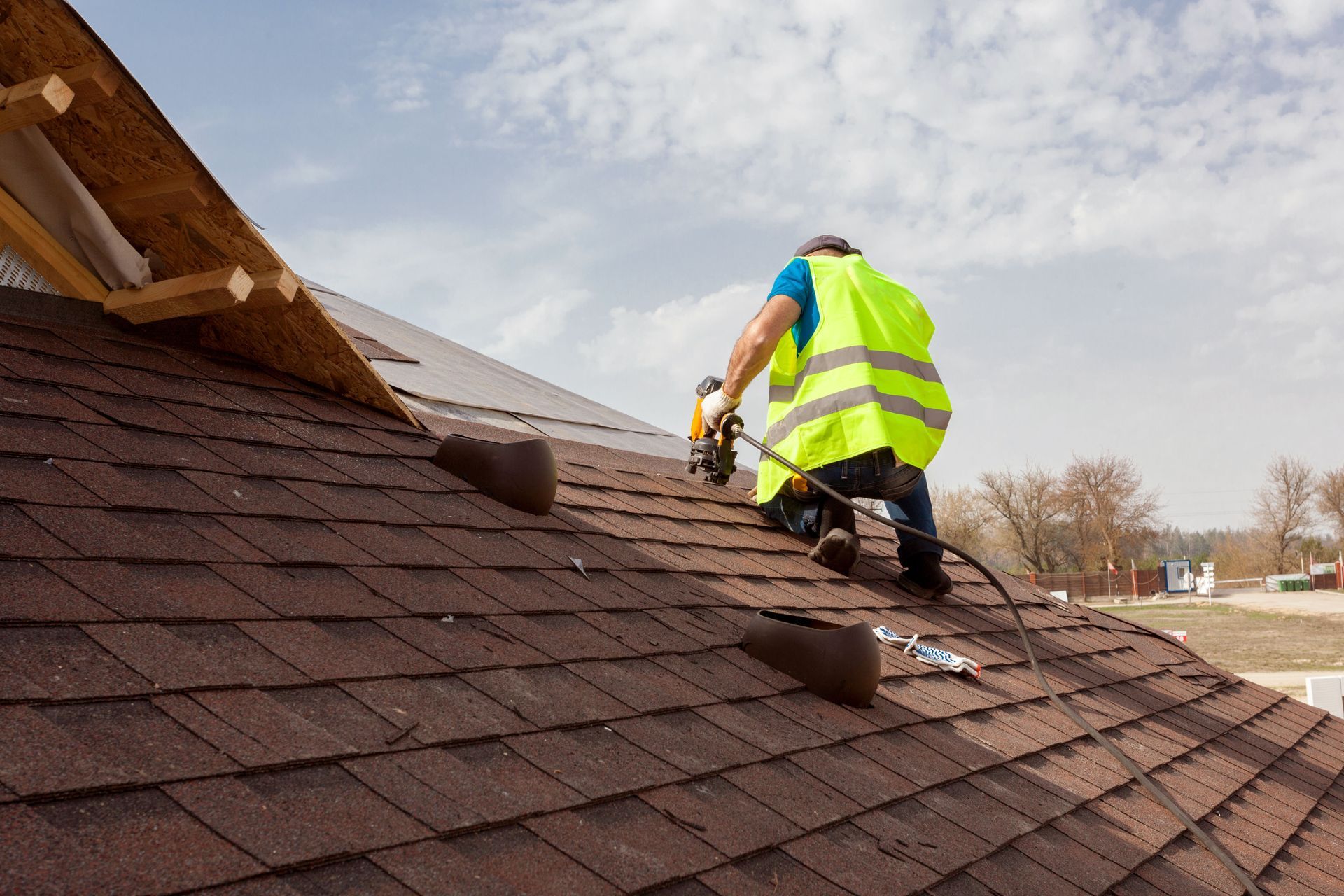
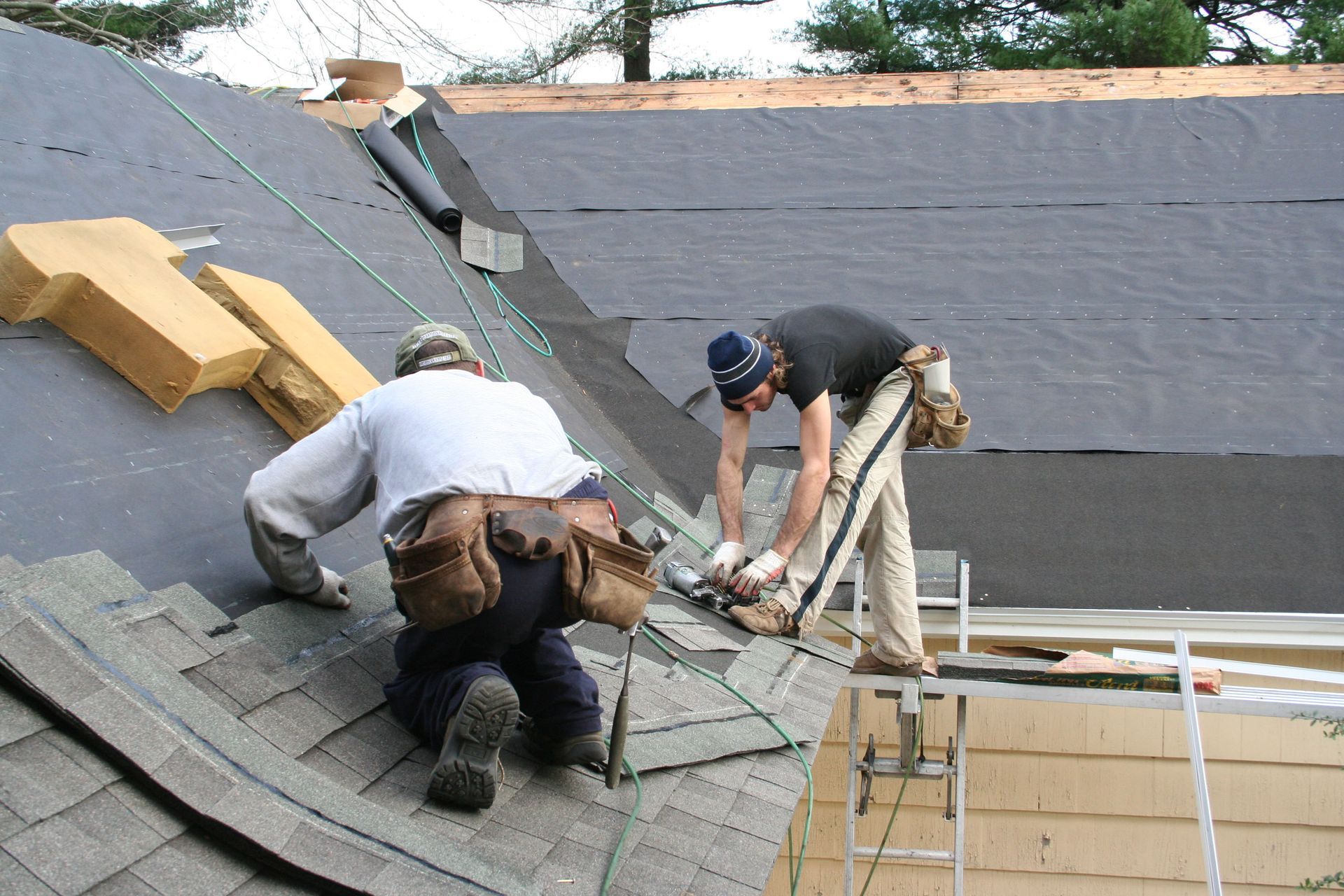
Roof installation is a structured process that requires careful preparation and precise execution. The process typically begins with removing old roofing materials and evaluating the underlying deck for structural integrity. Once the base is confirmed stable, protective underlayment is installed to create a moisture barrier.
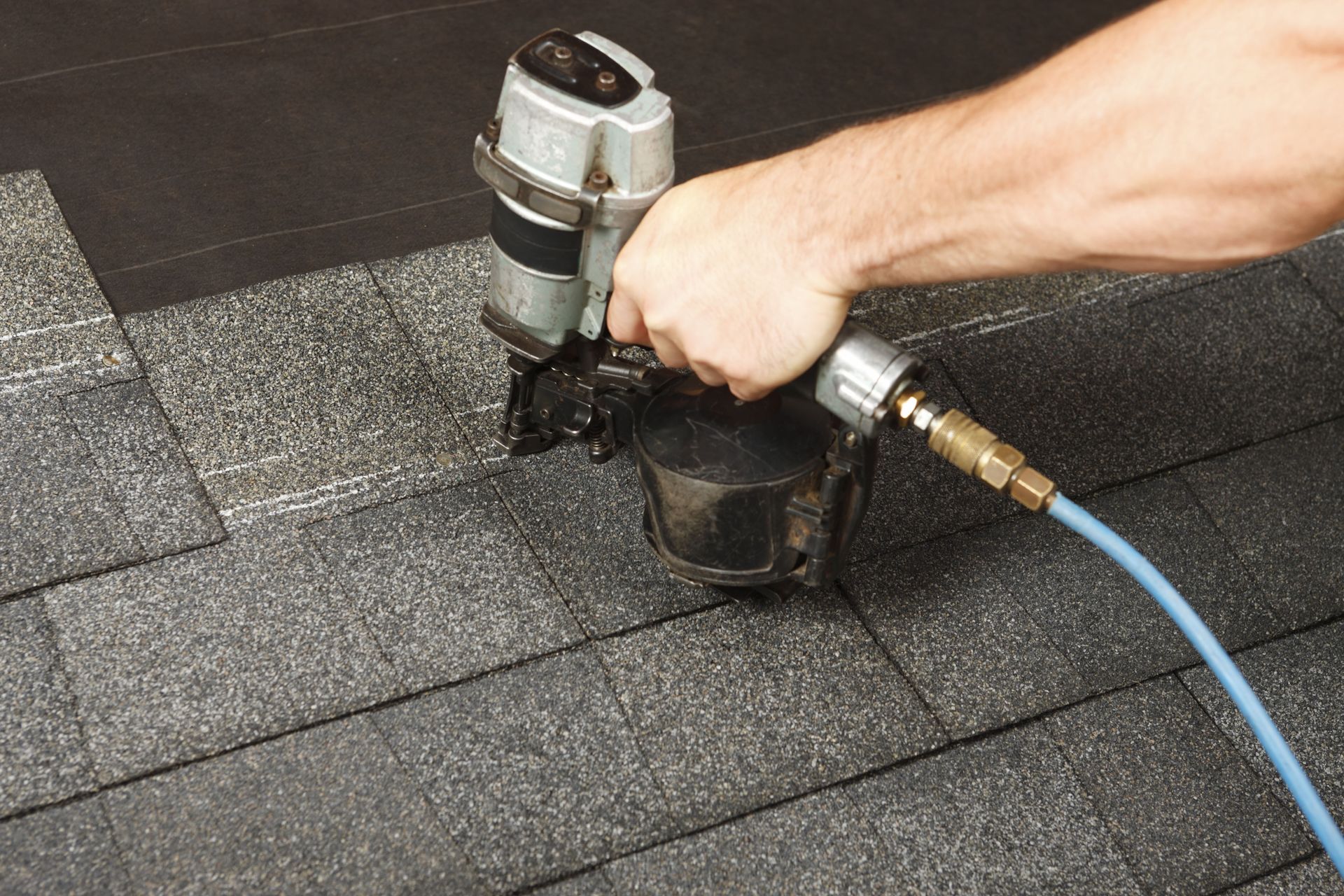
After preparation, the main roofing material is applied in a carefully measured sequence. Each layer must be installed according to manufacturer specifications to ensure proper alignment and weather resistance. Ventilation and insulation are also integrated during this stage to improve energy efficiency and prevent future moisture issues.
Challenges during installation can arise unexpectedly, especially due to weather conditions or hidden structural damage. Successful roofers adapt quickly, adjusting timelines and methods as needed to maintain quality standards. Clear communication with property owners is also essential during this phase to ensure expectations remain aligned throughout the project.
Handling Installation Challenges
Installation projects often come with unpredictable obstacles that require flexibility and experience to manage effectively. Weather disruptions are among the most common challenges, as rain, wind, or extreme heat can delay progress and affect material performance. Planning around seasonal conditions is a key part of ensuring project stability.
Structural complications may also emerge once old roofing materials are removed. Issues such as rotting wood, weak framing, or insufficient support systems must be addressed before new materials can be installed. Roofers must evaluate these conditions carefully to avoid compromising long-term safety and durability.
Supply chain delays can also impact project timelines, particularly when specialized materials are required. Experienced roofers often mitigate this by maintaining strong supplier relationships and offering alternative material options when necessary. Flexibility and problem-solving are essential traits in maintaining project continuity without sacrificing quality.
Performing Roof Maintenance
Ongoing maintenance is essential for extending roof life and preventing avoidable damage. Regular inspections help identify issues such as loose shingles, clogged drainage systems, or early signs of wear. Addressing these concerns promptly reduces long-term repair costs and preserves structural integrity.
Seasonal maintenance is especially important in climates with fluctuating weather conditions. In colder months, attention is given to preventing ice buildup and ensuring proper insulation. In warmer seasons, focus shifts toward ventilation and UV protection. These adjustments help maintain consistent performance year-round.
Many roofers also recommend routine cleaning of gutters and removal of debris to prevent water buildup. Over time, neglected maintenance can lead to significant deterioration, making consistent care a critical part of property management. Preventative maintenance is often more cost-effective than reactive repairs, especially for older roofing systems.
Extending Roof Lifespan
Extending the lifespan of a roof depends on a combination of proper installation, regular inspections, and consistent maintenance practices. When these elements work together, roofing systems can perform effectively for decades. Material quality also plays a significant role, as higher-grade materials typically offer greater resistance to weather and wear.
Environmental factors such as temperature fluctuations, humidity, and storm exposure can impact roof longevity. Proactive measures like sealing vulnerable areas, reinforcing flashing, and improving drainage systems help reduce these risks. Many roofers focus on strengthening these areas during both installation and maintenance phases.
Homeowners who invest in long-term care strategies typically experience fewer major repairs over time. Preventative approaches not only reduce costs but also improve overall property value and safety. A well-maintained roof remains one of the most important structural components of any building.
Roofing is a complex, detail-oriented process that requires technical expertise, planning, and ongoing care to ensure long-term performance. From initial repairs to full installations and preventive maintenance, every stage plays a role in protecting the structural integrity of a property. When handled correctly, roofing systems can provide reliable protection for many years with minimal disruption.
Professional guidance remains essential in achieving consistent results, especially when dealing with unpredictable conditions or large-scale projects. Property owners benefit most when they stay proactive with inspections and maintenance while relying on experienced support when needed. For dependable roofing solutions tailored to your property needs, contact Fritz Roofing Service.